

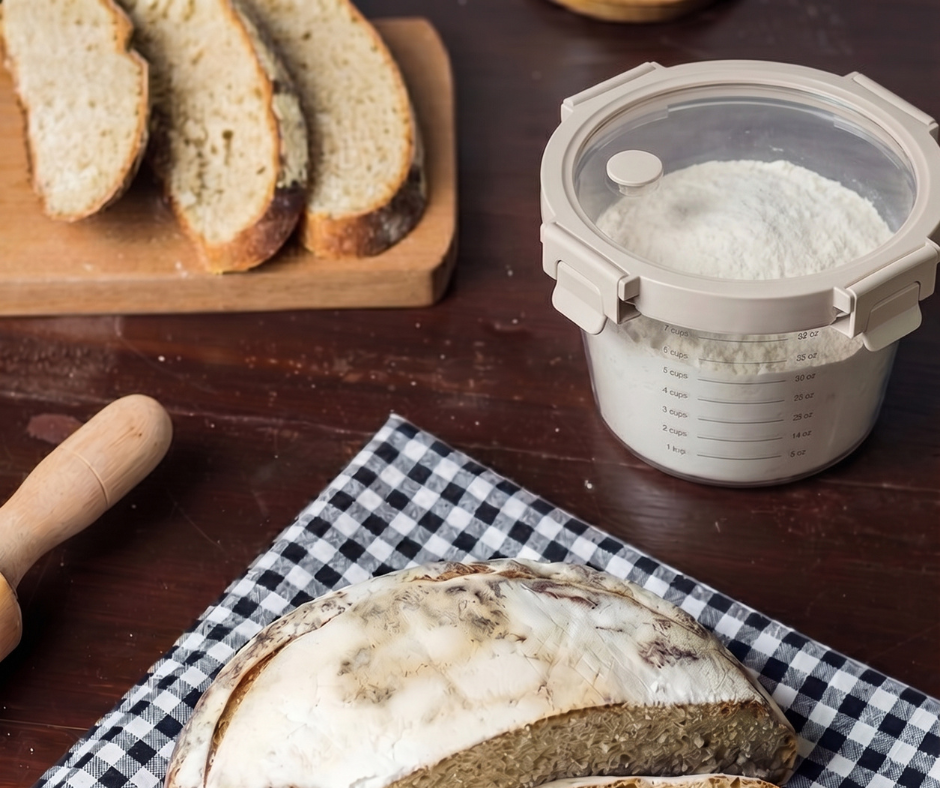
Sourdough baking has become a staple for many home kitchens — not just for its flavour, but for its simplicity and versatility.
With just flour, water, salt, and a starter, you can create bread that’s more digestible, longer-lasting, and deeply satisfying. The key is understanding the process and using the right tools to make it efficient and repeatable.
Understanding the Basics
Sourdough relies on natural fermentation. Instead of commercial yeast, it uses a starter — a mix of flour and water containing wild yeast and bacteria.
The process typically follows:
- Mixing ingredients
- Bulk fermentation (letting the dough rise)
- Shaping
- Proofing (final rise)
- Baking
Once you understand this flow, sourdough becomes much easier to manage.
A Simple Sourdough Recipe (Beginner-Friendly)
Ingredients:
- 500g bread flour
- 350g water
- 100g active sourdough starter
- 10g salt
Steps:
- Mix flour and water until combined. Rest for 30 minutes (autolyse).
- Add starter and salt. Mix until a rough dough forms.
- Bulk ferment for 4–5 hours at room temperature, folding the dough every 30–45 minutes (3–4 times).
- Shape the dough and let it rest for 30 minutes.
- Transfer to a proofing bowl and refrigerate overnight.
- Bake at 230°C for 20 minutes covered, then 20 minutes uncovered until golden brown.
Practical Tips for Better Results
1. Use One Container for Multiple Steps
Reducing transfers helps maintain dough structure and saves time.
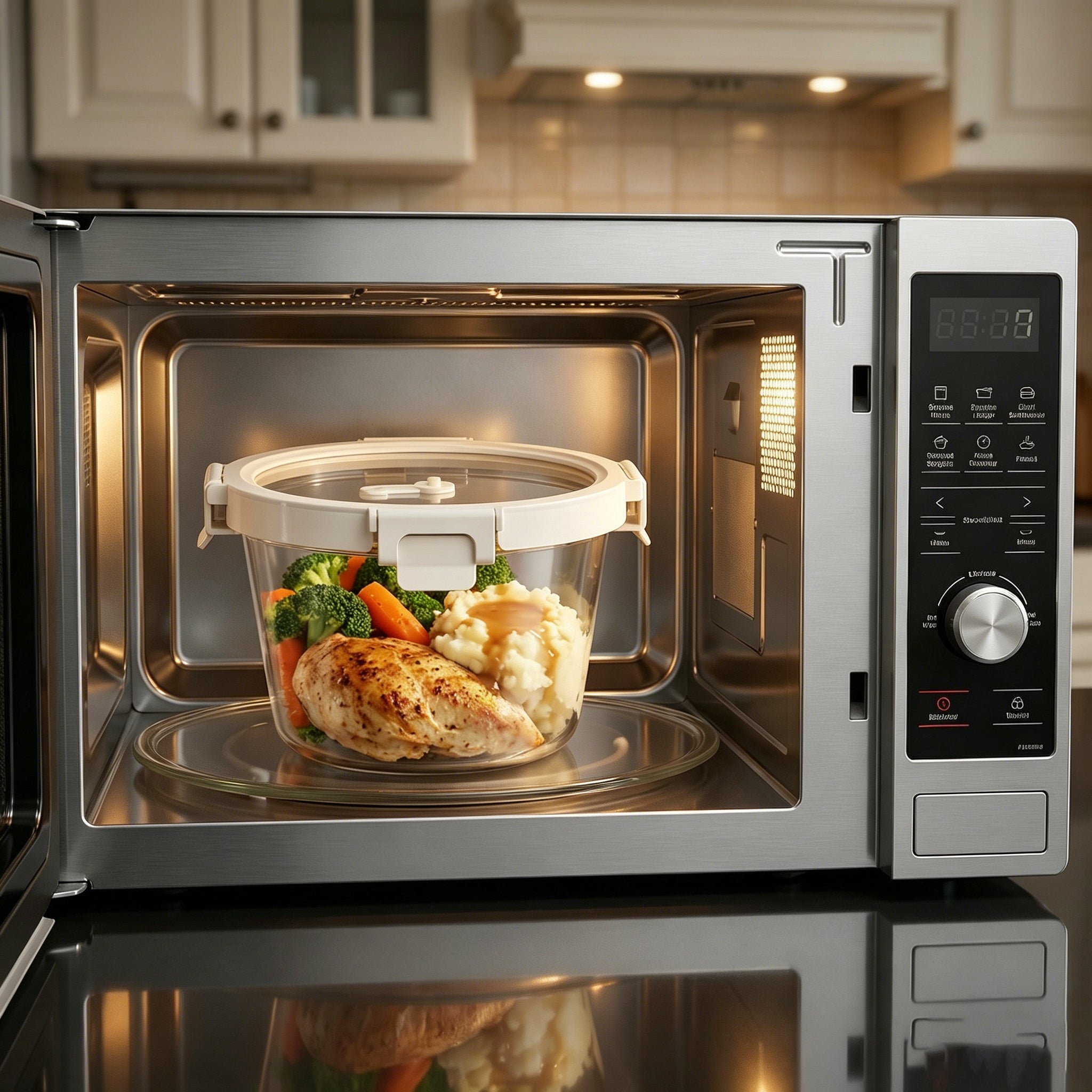
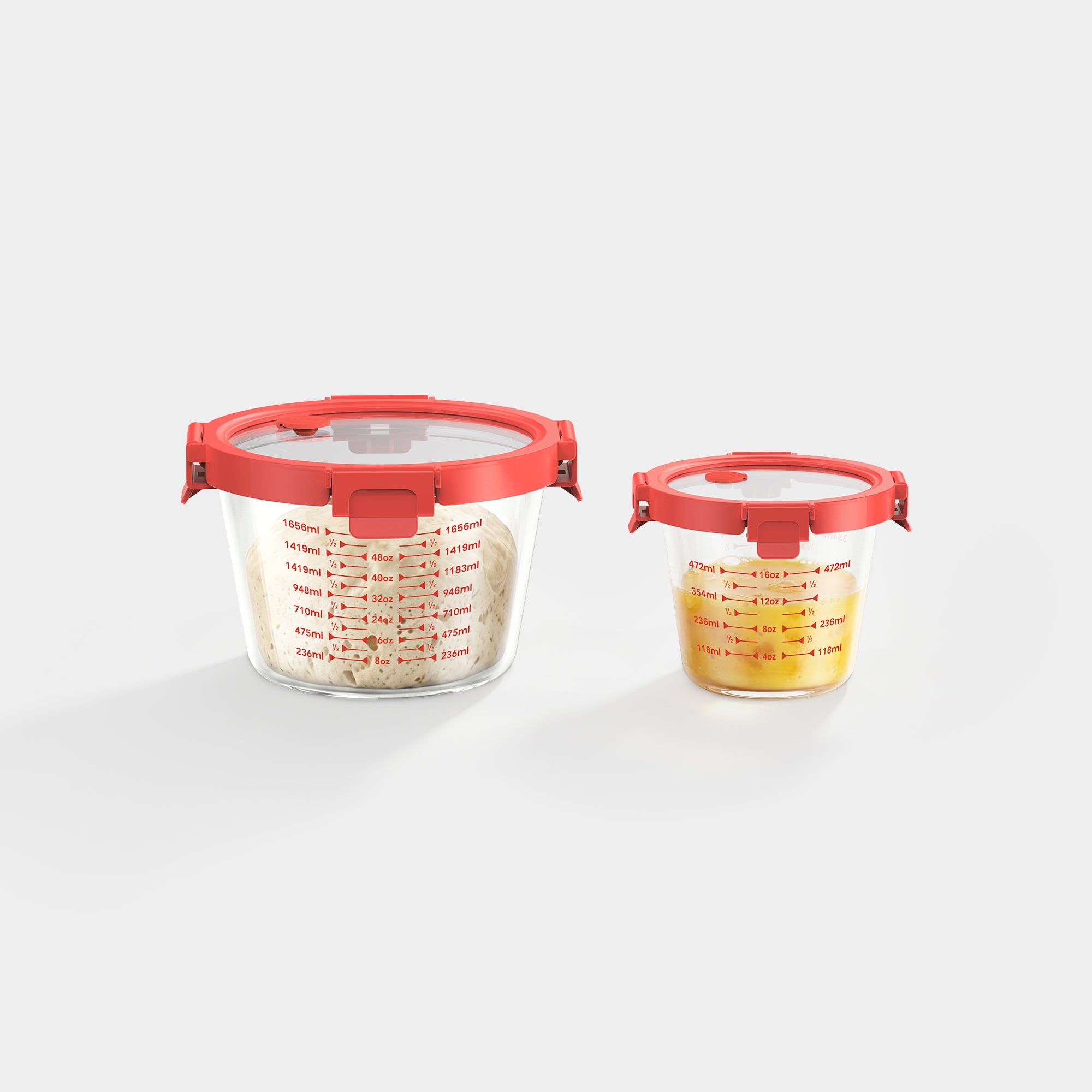
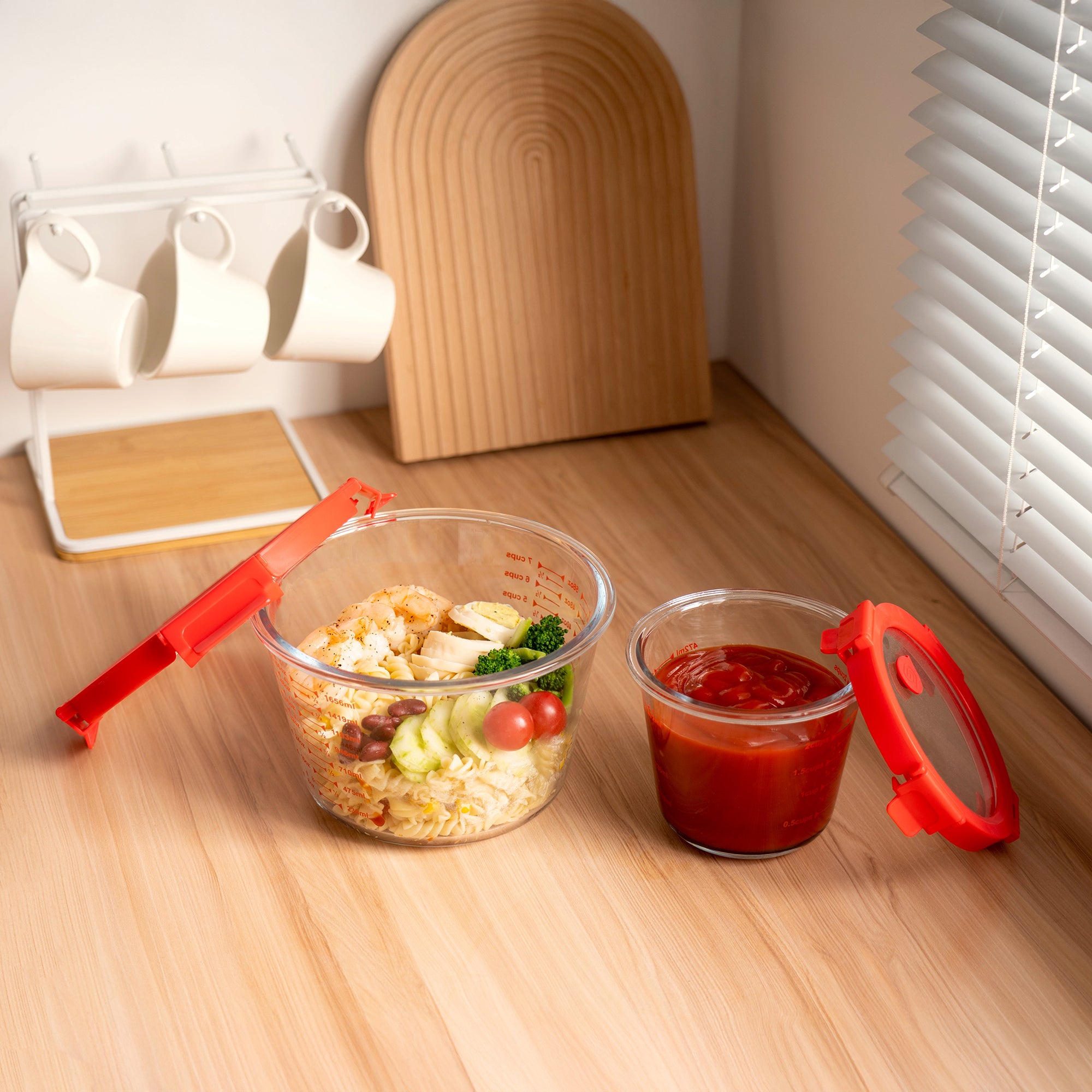
The Glass Measuring Set is especially useful here — you can mix, ferment, and even bake in one container, making the process more efficient and less messy.
2. Don’t Skip the Resting Time
Autolyse (resting flour and water) improves gluten development, making your dough easier to handle and resulting in better texture.
3. Master the Fold Instead of Kneading
Sourdough doesn’t require heavy kneading.
Use stretch-and-fold techniques during fermentation to build strength gradually. A High-Heat Silicone Spatula helps handle sticky dough cleanly and efficiently without tearing it.
4. Control Temperature
Fermentation speed depends on temperature:
- Warmer room → faster rise
- Cooler room → slower, more flavour development
If your kitchen is warm, shorten fermentation time to avoid over-proofing.
5. Look for Signs, Not Just Time
Instead of strictly following the clock, observe your dough:
- Has it doubled in size?
- Does it feel airy and elastic?
- Does it hold shape when stretched?
These indicators are more reliable than timing alone.
Easy Sourdough Variations
Once you’re comfortable, you can experiment:
🥖 Sourdough Focaccia
- Use higher hydration (more water)
- Spread dough in a tray
- Add olive oil, herbs, and salt
- Bake until crisp and golden
🥞 Sourdough Pancakes (Using Discard)
- 1 cup sourdough discard
- 1 egg
- 1 tbsp sugar
- ½ tsp baking soda
- Mix and cook like regular pancakes
Great way to reduce waste.
🧈 Sourdough Toast with Butter & Honey
Simple but effective — toast a slice and pair with butter and honey for a quick, satisfying meal.
Making Sourdough Sustainable
Sourdough baking naturally supports less waste:
- Use discard for secondary recipes
- Bake in batches and store properly
- Use durable tools that last over time
Products like the Glass Measuring Set and High-Heat Silicone Spatulas are designed to support repeated use, making your workflow more efficient while reducing reliance on disposable tools.


Sourdough doesn’t need to be complicated.
With a clear process, a few reliable tools, and consistent practice, it becomes a straightforward and rewarding part of your routine.
Start simple, observe your dough, and improve with each bake.

Leave a comment
All comments are moderated before being published.
This site is protected by hCaptcha and the hCaptcha Privacy Policy and Terms of Service apply.